Stress Management For Busy Adults

Cluttered schedules can lead to more stress. Planning your day helps you feel less overwhelmed and helps you stay focused. Make a list of things you need to do each day or each week. Your tasks based on how urgent and important they are using the Eisenhower Matrix. Split big tasks into smaller, easier parts to manage. Take short breaks to rest and refresh during the day. Knowing what’s important helps you focus on the right things and clear your mind.
Deep breathing can help your body relax, slow down your heart rate, and calm your mind. Spend 5 to 10 minutes each day doing deep breathing exercises. Breathe in slowly for 4 counts, hold it for 4 counts, and breathe out for 6 counts. Try progressive muscle relaxation to ease tension in your body. Even quick relaxation sessions during your daily routine can greatly reduce stress. Physical activity lowers stress hormones and increases endorphins, which make you feel better and have more energy. Try to be active for 20 to 30 minutes most days.

Pick activities you enjoy, like walking, running, yoga, or dancing.Add movement to your daily life: take stairs instead of elevators, stretch while sitting at your desk. Regular exercise not only improves your health but also gives your mind a break from daily stress. What you eat affects your energy, mood, and how well you handle stress. Eat meals with a good mix of fruits, vegetables, lean proteins, and whole grains. Limit caffeine, sugar, and processed foods that can make stress or anxiety worse. Drink enough water to help your brain and body work at their best.
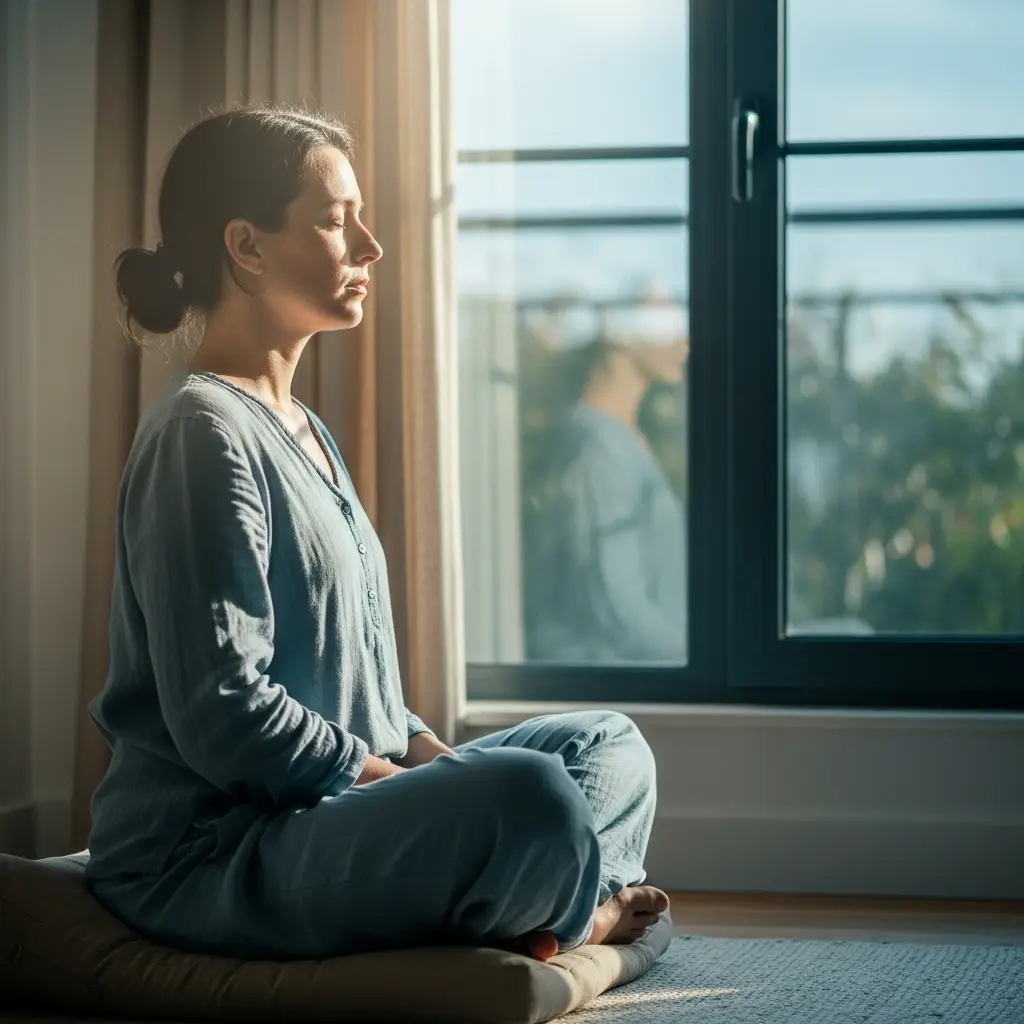
Healthy eating helps you stay strong and focused when things get tough. Sleep helps your mind and body recover, improves focus, and helps you handle stress better. Get 7 to 9 hours of sleep each night. Create a calming bedtime routine that includes avoiding screens, reading, or meditating. Stick to the same sleep schedule even on weekends. Getting enough sleep makes you less irritable, better at making decisions, and stronger at dealing with stress. Mindfulness helps you stay in the present moment, reducing worries about the past or future. Spend a few minutes each day focusing on your breath and watching your thoughts without judging them.


Use meditation apps if you’re new to mindfulness. Include mindfulness in your daily tasks: eat slowly, concentrate while walking, or be fully present in conversations. Mindfulness helps you stay calm and avoid reacting quickly when stressed. Overcommitting can lead to burnout and more stress. Setting limits protects your time and energy. Learn to say no to things you don’t need to do. Let others know your limits clearly with work and family. Block out time for hobbies, relaxation, and self-care. Setting boundaries helps you keep balance and stop stress from getting worse.
Having support from others helps you feel better emotionally, get help, and see situations from different angles. Talk to friends or family about your stress. Join groups, clubs, or online communities with similar interests. If stress feels too much or lasts a long time, consider getting professional help. Sharing your experiences can help you feel less alone and build strength. Making time for fun activities gives your mind and body a break, making it easier to manage stress.


Try to spend at least 15 to 30 minutes each day on hobbies like reading, painting, or listening to music. Try creative or nature-based activities to relax. Avoid using only screens for entertainment — enjoy activities mindfully. Recreational activities help you reset your mind and increase your happiness. Practicing gratitude helps you focus on the good things in life, improving your mood and ability to handle stress.
Write down three things you’re grateful for each day in a journal. Show appreciation to the people around you. Think about your small achievements and joys regularly. Gratitude builds a positive mindset and lessens the mental weight of stress.